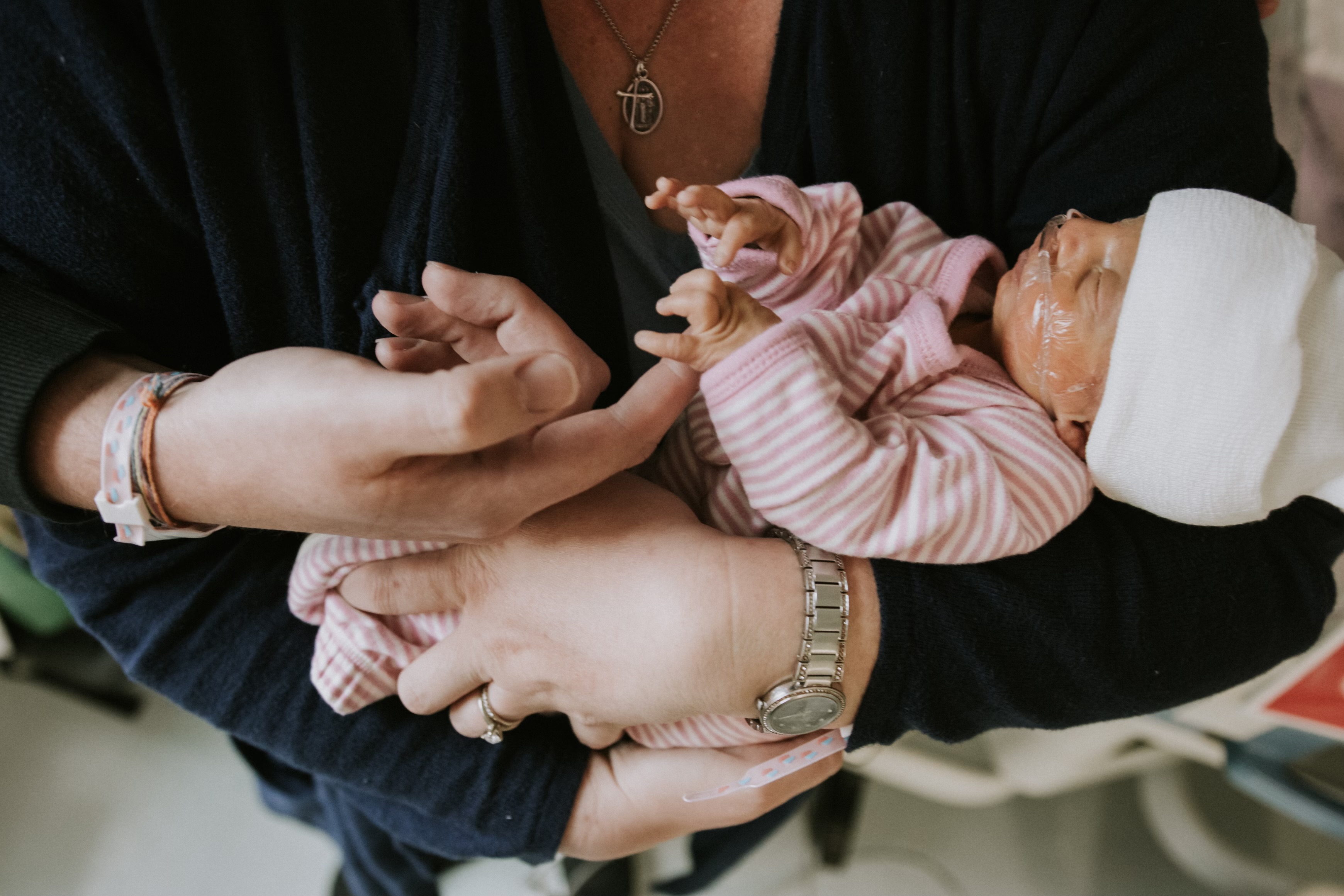

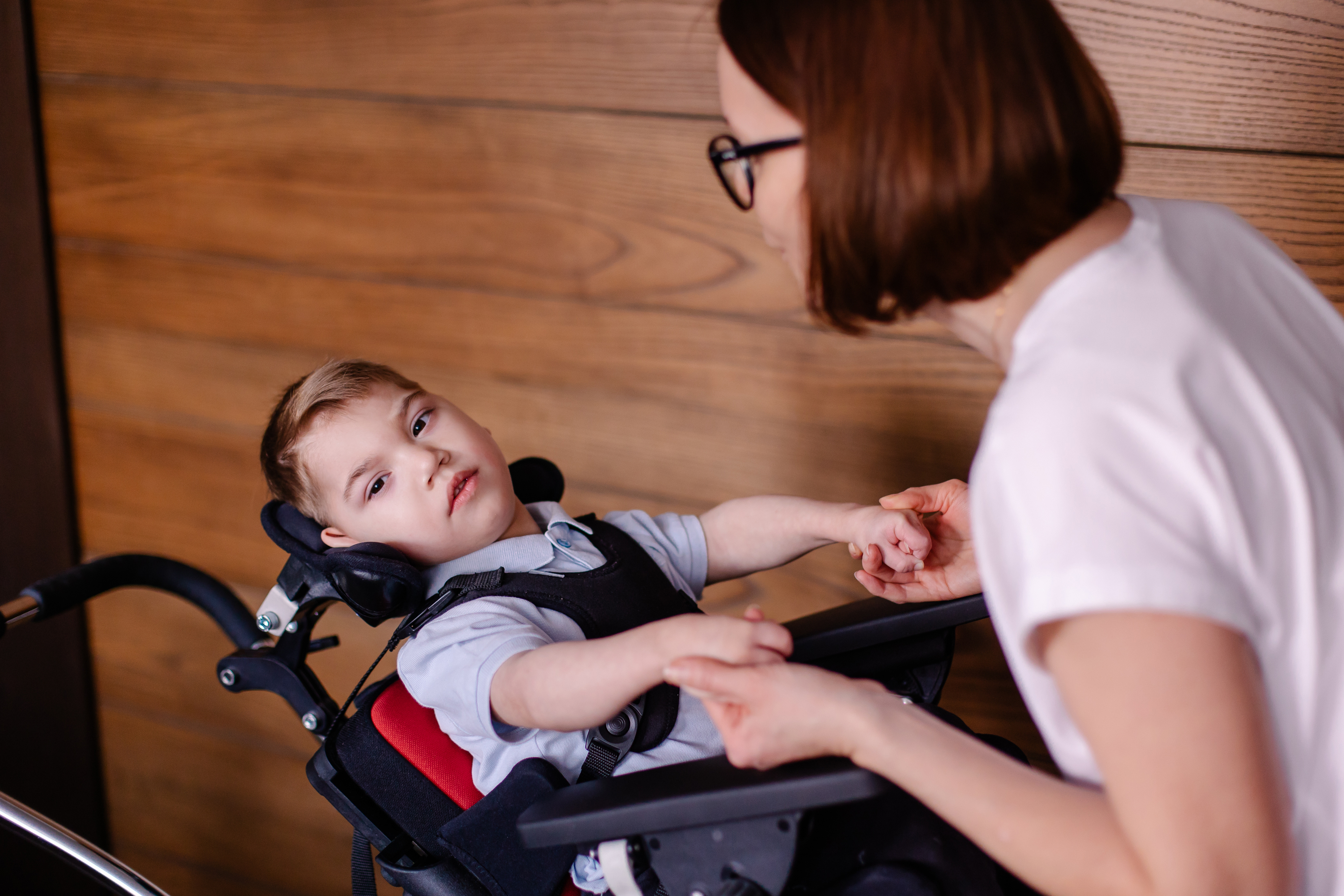
Caring for a child with complex medical needs is a 24/7 commitment. It is physically exhausting, emotionally draining, and often isolating. Respite care exists to give families a break, and it is one of the most important and underused resources available to caregivers.
Respite Care, Defined
Respite care provides temporary relief for primary caregivers by placing a child in the care of trained professionals for a short period of time. It can last a few hours, a full day, or several days depending on the family's needs and the services available.
During respite care, children receive the same level of medical attention and support they would at home, while their caregivers get time to rest, handle personal responsibilities, or simply take a breath.
Why It Matters
Caregiver burnout is real and well-documented. Families caring for medically fragile children often report higher rates of stress, anxiety, depression, and physical health problems. Respite care is not a luxury. It is amedical and emotional necessity.
When caregivers are rested and supported, they are better able to care for their child. Respite care is as much for the child as it is for the parent.
The Access Problem
In North Carolina, Medicaid provides respite care for medically fragile children through the CAP/C (Community Alternatives Program for Children) waiver. Currently, over 3,400 children qualify. But accessing that care, especially for children with life-limiting conditions, can be incredibly difficult. Many families face long wait lists, limited provider availability, and facilities that are not equipped to handle complex medical needs.
How Piper's Place Will Help
Piper's Place is being built to fill this gap. Our home will include 10 respite and palliative care rooms staffed with around-the-clock medical professionals. But it will not feel like a medical facility. Children will have access to aqua therapy, sensory rooms, adaptive playgrounds, art rooms, and all the joyful parts of childhood, designed specifically for kids with severe disabilities and terminal conditions.
For caregivers, it means real rest. For children, it means real fun.