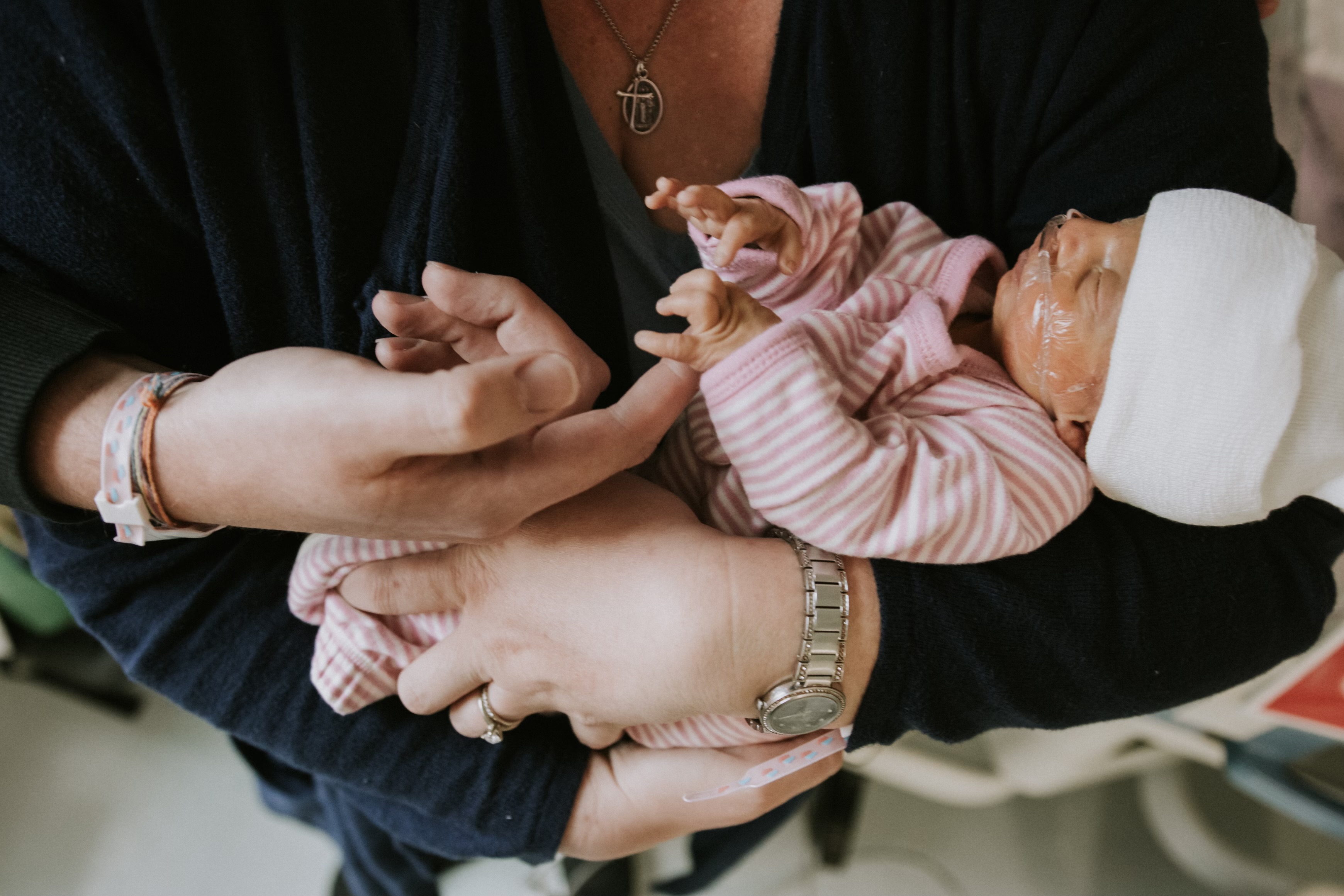


When you are caring for a child with a life-limiting condition, self-care can feel impossible. It can even feel selfish. Every ounce of energy goes toward your child, and the idea of taking time for yourself may seem like something you cannot afford.
But here is the truth: the care you give your child is directly connected to the care you give yourself. You are the foundation. And foundations need tending.
Redefine What Self-Care Looks Like
Self-care does not have to mean a spa day or a weekend away. For caregivers in the thick of it, self-care is often much simpler. It might be stepping outside for five minutes of fresh air. Drinking a full glass of water. Eating a real meal instead of snacking on whatever is closest. Calling a friend, even briefly.
Small, consistent acts of care for yourself add up. They will not fix everything, but they keep you from running completely empty.
Accept Help
Many caregivers struggle to accept help, even when people are offering. You may feel like no one else can care for your child the way you can. That may be true in some ways, but you were not designed to do this without support.
When someone says, "Let me know if you need anything," give them something specific. A meal. A grocery run. An hour of sitting with your child so you can shower and close your eyes. People want to help. Let them.

Find Your People
Isolation is one of the hardest parts of caregiving. Friends and family may not fully understand what you are going through, and that disconnect can make you feel more alone.
Seek out other caregivers who get it. Online communities, support groups, and organizations like the Piper G. Amundson Foundation can connect you with families who have lived this experience. Sometimes the most powerful form of self-care is being in a room, virtual or otherwise, where you do not have to explain yourself.
Talk to a Professional
Grief does not wait for loss. Many caregivers experience anticipatory grief, depression, and anxiety long before their child passes. If you are struggling, a therapist or counselor who specializes in caregiver or pediatric grief support can be a lifeline.
Ask your child's palliative care or hospice team for a referral. Many programs include family counseling as part of the care plan.
Let Go of Guilt
Taking care of yourself is not a betrayal of your child. It is a way of honoring them. You are showing up for the hardest thing a parent can face, and you deserve support, rest, and grace. Every bit of energy you restore is energy you bring back to your child.