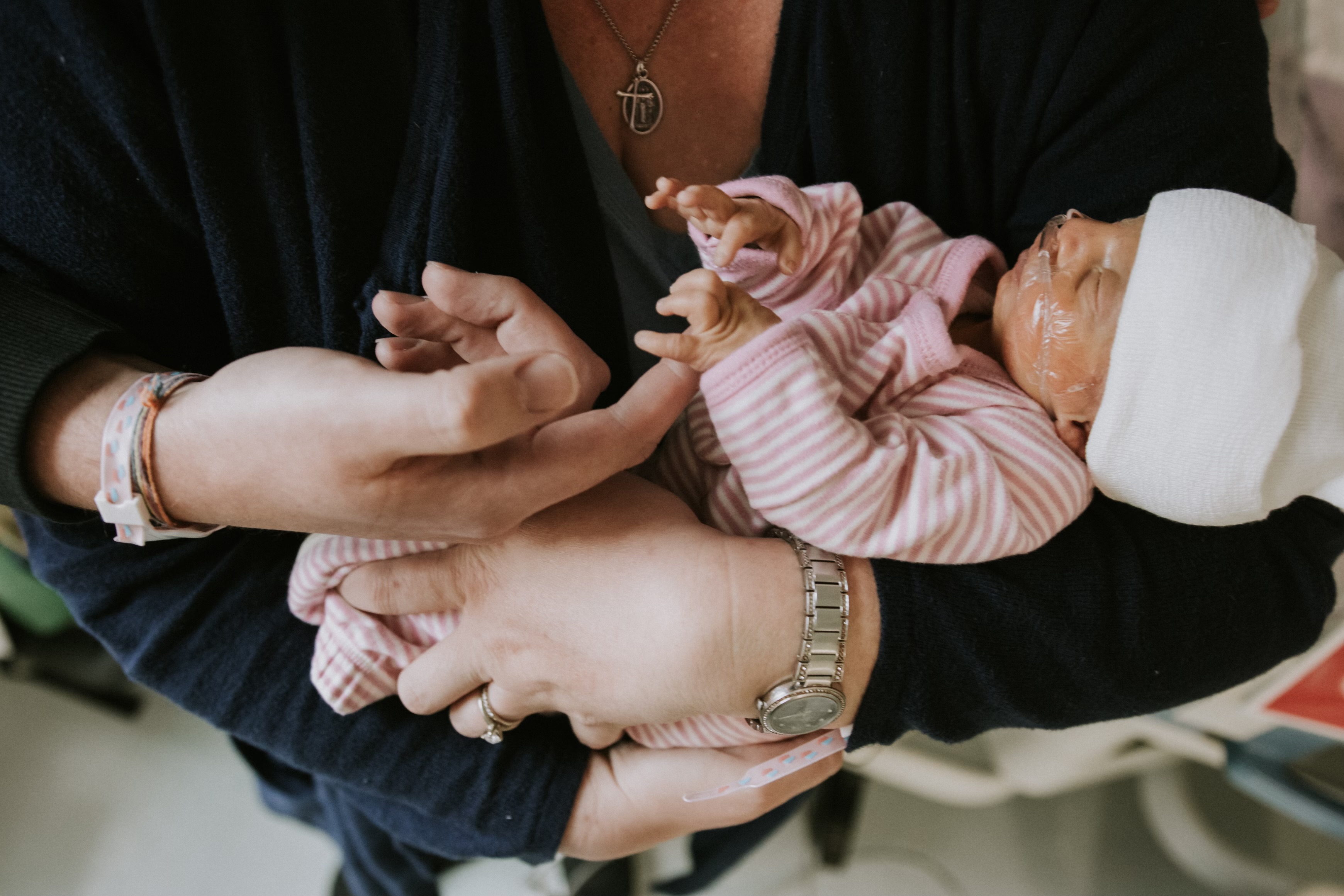


When a child in the family is seriously ill, siblings feel it. They may not have the words for what they are experiencing, but they sense the changes in routine, the worry on their parents' faces, and the weight of what is happening around them.
Talking to siblings about a brother or sister's life-limiting illness is one of the hardest things a parent can do. But open, age-appropriate communication helps children process their emotions, feel included, and find their own way to cope.
Start with Honesty
Children are perceptive. Even very young kids know when something is wrong. Avoiding the conversation or using vague language can increase anxiety because their imagination often fills in the gaps with something scarier than reality.
Use simple, honest language appropriate for their age. For younger children, that might sound like, "Your sister is very sick. The doctors are helping her feel comfortable, but she is not going to get better." For older children and teens, you can share more detail and invite questions.
Create Space for Their Feelings
Siblings may feel scared, angry, sad, confused, jealous, or guilty, sometimes all at once. All of these feelings are normal. Let them knowit is okay to feel whatever they feel, and that they will not get in trouble for being honest about it.
Some children talk freely. Others process through play, art, or writing. Pay attention to how your child naturally expresses themselves and create opportunities for that.

Include Them
Siblings often feel left out when a brother or sister is receiving intensive care. Finding ways to include them, whether that is visiting the hospital, helping with small caregiving tasks, drawing pictures for their sibling, or simply being in the room, can help them feel connected and valued.
At the same time, respect their boundaries. Some children may not want to participate in certain moments, and that is okay too.
Keep Routines Where You Can
Routines provide stability when everything else feels uncertain. Try to maintain regular mealtimes, bedtimes, school schedules, and activities as much as possible. Consistency gives siblings something to hold onto.
Seek Support
You do not have to be the only source of support for your other children. Child life specialists, family therapists, school counselors, and sibling support groups can all play a role. Many hospice and palliative care organizations offer programs specifically for siblings.
Piper's Place is being designed with siblings in mind. Our home will include private rooms and workspaces for parents and siblings, communal spaces for whole families, and access to counseling and grief support for every member of the family.